Cleaning And Restoring Old Masonry
Words: Uma Basso
Words: Uma Basso
Photos: PROSOCO
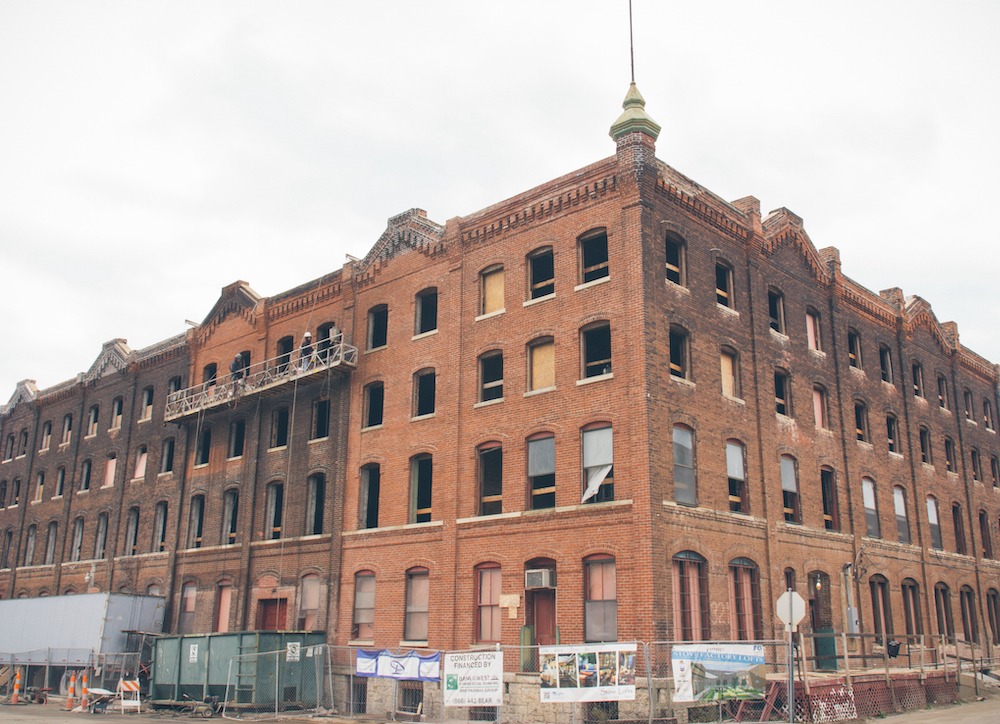
Although brick and masonry are among the toughest and best weather-proof building elements, maintenance and repair are still necessary to ensure their longevity. Harsh weather, fluctuating temperatures, stress, and age can degrade masonry quality. Over time, the façade may become stained and show signs of substrate damage.
Cleaning and restoration projects vary greatly based on the condition of the masonry and materials used. To gain further insight into the issues concerning the cleaning and restoration of old masonry, we spoke with Jake Boyer, leader of PROSOCO’s Clean & Protect Group.
ALWAYS TEST BEFORE YOU BEGIN!
Before starting any cleaning or repair task, the mason should closely examine the walls. A pivotal determination to be made during this visual inspection is whether further damage or degradation to the masonry and mortar would occur if cleaned.
According to Jake, testing is the key to the preservation of masonry. Despite the wide variety of cleaners available, not every product is a good fit. Testing the building’s surfaces, stains, and substrates helps identify the safest cleaning solution. The least invasive process should be chosen when restoring masonry.
There is more to planning a safe and effective cleaning approach than solely choosing a product. Masons should consider other factors that could impact the effectiveness of the cleaning product selected, such as its dilution and how it should be applied. Using a breathable, protective treatment that is compatible to use on the façade and substrate helps keep the building clean.
CHOOSE THE RIGHT MATERIALS
Materials matter when cleaning and repairing old masonry work. With many factors to consider, testing remains an invaluable step to choosing suitable materials. Masons should consider such factors as the type of stain to be removed, substrates to be cleaned, and its impact on the surrounding surfaces. When selecting the right materials, environmental exposure, weather conditions, and effective water vapor permeation should be considered.
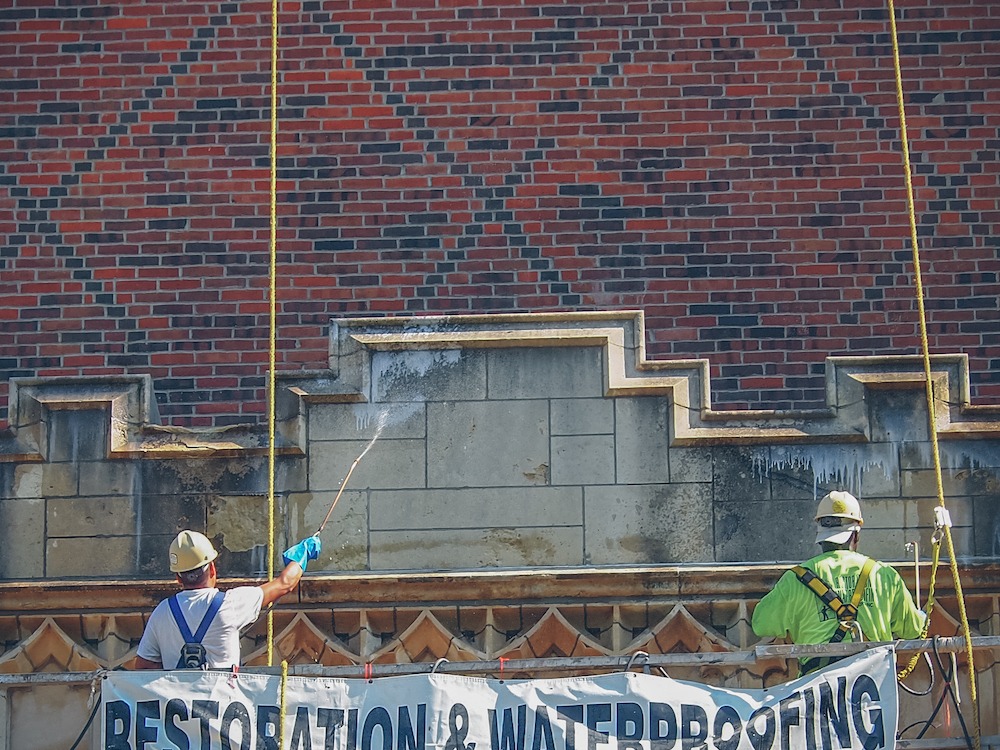
Cleaning typically involves specific measures to remove stains and overall cleaning of the façade for uniformity. Metallic, biological, carbon, atmospheric, or lime stains may call for different spot-cleaning solutions. Working with a company with a wide range of cleaning and restoration products can help masons select the best solution for the job at hand.
Keep in mind that the makeup of today’s materials can vary significantly from the historic surfaces being cleaned or restored. New materials used to patch may be harder or denser, which can weaken surrounding materials in the historic structure. Should you choose a more recent material with a lower water vaporization rate, they can trap water in the substrates, causing further damage.
HOW FREQUENTLY SHOULD AN OLDER BUILDING BE CLEANED?
No set rule dictates how frequently a building's exterior and masonry should be cleaned. A building's owner typically drives that decision. While exterior walls may appear sturdy enough to last for years, they can incur damage from harsh weather and pollutants over time.
Regular cleaning may seem unnecessary to a building’s exterior until you consider its benefits.
- When you regularly maintain the building's exterior, it is easier to clean.
- Using a protective treatment on the outside of the building may prevent stains and provide better protection for the substrate.
- The cleaner the building, the less need there is for harsher chemicals or aggressive procedures.
 OLYMPUS DIGITAL CAMERA
COMMON MISTAKES MADE WHEN CLEANING OR RESTORING OLD MASONRY
Jake Boyer shares that a common mistake made when cleaning or repairing old masonry work is “thinking that one product is appropriate for all conditions.” The myriad of materials used throughout the building’s infrastructure, façade, and surfaces may call for different cleaning and repair solutions. If you don’t take the time to analyze the types of substrates present, you may choose an incompatible product.
Other common mistakes noted by Jake when cleaning and repairing old masonry include:
- Severe stain removal: Even when the same material is used throughout the surface, the severity of the stains may vary. Areas that are badly stained may require a different product or approach when being cleaned or repaired.
- Forgetting to clean: You may need to use new or different materials when repairing the substrate. Before you match the replacement material, it’s a good idea to clean the area around the patch. If you forget to clean before the repair, your patch materials may resemble the dirty stone around the area.
- Abrasive methods: Using an abrasive method, such as media blasting or pressurized water, may cause further damage to the building's exterior and substrate. While abrasive techniques may be necessary, only experienced professionals should take this route. And that is only after doing extensive testing of the surface.
- Sealing: A substrate may be treated with a protective coating to help it stay clean for years. Special care should be taken to use a product that continues to allow water vapor to permeate from the substrate. Solutions made with silane, siloxane, or silicon create a breathable shield. However, a product that forms a protective seal may trap moisture inside and cause damage to the substrate.
When treating a building with chemicals, masons should follow the regulations covering chemical waste collection and removal. Rules can vary by location. Failing to know what regulations you should follow can result in added costs and job overruns.
WHAT’S THE BOTTOM LINE?
The cleaning and renovation of old masonry require great care. Masons should have a deep understanding of the types of materials used and the condition of the substrate before starting the project. In addition, planning and testing are critical steps to ensure the right product and process are selected and followed to avoid further damage or degradation to the masonry.