Keson and SOLA: Ergonomics and Tools
Words: Todd Fredrick
Jude Nosek
In 2006 I was in a serious accident. The cause was my stubbornness and some ruts dried into a crushed limestone bicycle path. I was an avid cyclist, often riding to work two or three times a week. The limestone path was part of my route home, the stubbornness part of my numerous character defects. On that spring day, as I rode across the dried ruts, the U-shaped lock hanging from my handlebars bounced over the crossbar on my bike.
This effectively “locked” my handlebars from being able to turn left. Instead of stopping, my stubbornness convinced me that I could fix the problem while continuing to ride. I could not. As soon as I lifted one hand off the handlebars, I lost control and could not correct it. I immediately drove off the path, down the berm, and introduced my helmeted head to one of the many trees lining the trail.
This meeting resulted in a concussion, a compression fracture in my neck, and a herniated disc between those fractured vertebrae. Within a few hours, the swelling restricted the motor nerve in my left arm, which would remain partially paralyzed and impaired for months. That fall, before I fully regained the use of my arm, I gained an appreciation of “ergonomics” as a team of physical therapists helped me adapt to the things in my world.
Ergonomics is the study of how we physically function performing a task and the process of finding ways to make that more efficient for our bodies. We are practicing this discipline when we adjust our tools or environment to make it easier to see, improve a grip, reduce movement, and alter something’s feel. If you have ever increased the width of a trowel with tape to improve its feel or sanded a handle to reduce a blistering point, you have practiced ergonomics.
We do it all the time; those in offices adjust our chairs, monitor heights, keyboard, and camera positions. We do it in our cars, nudging the seat, mirrors, and even steering column into the most productive positions. Millions of products are likely designed to make us more comfortable and efficient at our tasks. My kids clump these actions and activities under the general term “hacks.” There are lots of great suggestions out there. Beware, there are a lot of very impractical ones, too! Whole corners of the internet are devoted to “DI-WHY” ergonomics, and the system fails.

As manufacturers of tools, we try to build valuable features that workers will benefit from. Here are a few simple examples:
Better to See (Likely the Most Common Ergonomic Hack)
The SOLA Focus vial has several features that make it better for users. It’s magnified by 60%, so the bubble is easier to see while the same size as any standard level. The green-tinted ends and the tinted liquid also increase the bubble’s visibility.
My favorite feature of this simple, elegant design is the barrel shape of the vial itself. There are no hard corners on the viewing area of the vial, no place where visually the bubble is optically split. It might not seem like a big deal, but you don’t have to reposition your head to see the bubble better, ever. This vial eliminates the need for corrective head movements users didn’t even know they were making.
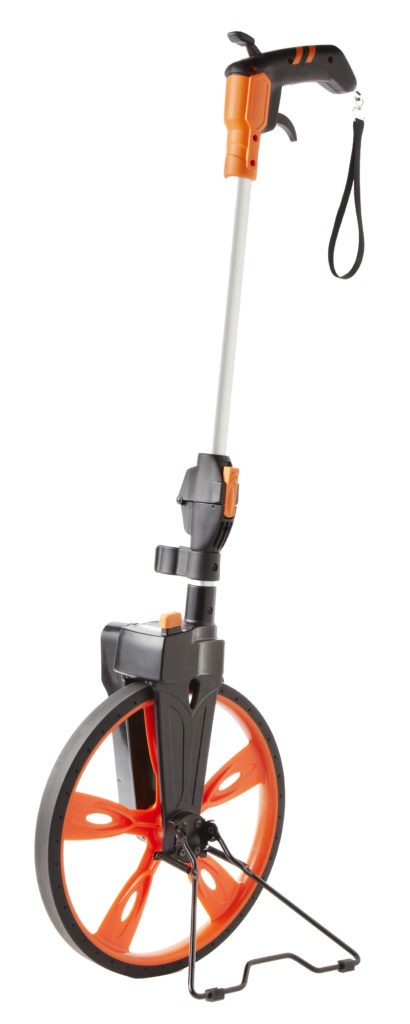
The Keson RRT-series measuring wheels have the wheel counter higher up on the product than the less costly, more traditional location on the wheel axle. By bringing the counter even a little closer and using a magnifying lens over it, we make it easier to see.
Better to Touch
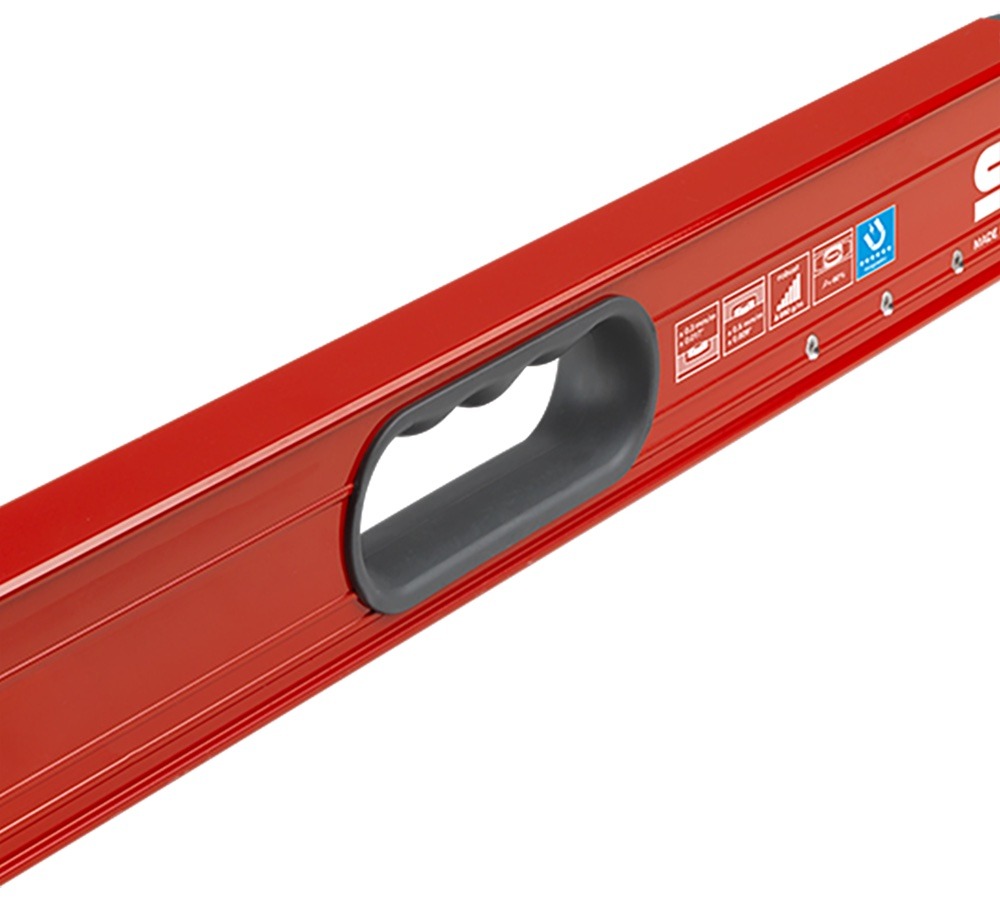
The grips on SOLA and Keson levels are designed for comfort and durability. They have a little give, making them more comfortable, a feature you probably won’t consciously notice. The number of ridges also makes the handles comfortable for the usual number of digits on a hand: four fingers and a thumb.
Better to Hear
If any of your tools beep when they are “in the right position,” this audible indication is an ergonomic hack. When we introduced a measuring wheel with a silent geared counter in the place of our classic “clicker” style counter, we got pushback from users. We did not realize that they were using the click of the counter to ensure that their measuring device was functioning properly. Users usually have a cadence of walking while using the measuring wheel. The constant feedback from the clicker counter lets them know all is well, and the counter is recording every foot as they walk along.
Better Balance
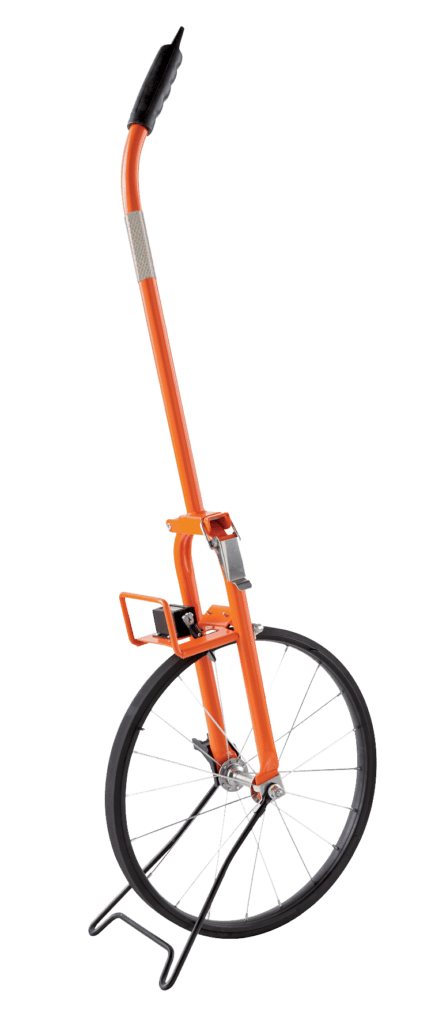
The centerline design of the MP401 is a subtle but powerful example of ergonomics. Some competitive products have handles that are offset so you can see the counter. Over a long distance, it takes more energy to keep these offset-handled wheels going in a straight line.
Like baseball players adjusting their bats to fit their likes and specific needs, we all practice ergonomics to improve our experiences. We are extraordinary at finding better ways. I had a designer who once told me, “Keep an eye out for duct tape. That’s where the opportunities are!” Keep looking especially at others who have been practicing your craft for longer than you. Ask what they are doing and why they are doing it. I also suggest you share what you learn.
“What do we live for if not to make the world less difficult for each other?”—George Eliot