Tips & Tricks: Rotary Hammers
Words: Brittany Sellnow, Group Product Manager for Milwaukee Tool
Photos: Isa Stein, jtinjaca
Jobsites do not look the same as they did 20 years ago. Increasingly more complex projects have forced the construction industry to evolve. Safety Technology physically reduces a worker’s risk of injury with little to no change in their workflow. Unlike a seatbelt, where the operator must remember to put it on, the Safety Technology being designed and built into the next generation of power tools will protect workers whenever the equipment is running, without added thought. Rotary hammers have seen significant technical advancements to help users stay protected and more productive on the jobsite.
Navigating the Jobsite
Maneuvering around a jobsite without the limitation of a cord has increased productivity by allowing users to move freely around a jobsite while minimizing the potential for accidents. Cordless tool options can also unlock unique electronic-based features over the corded counterparts. Choosing a cordless rotary hammer over a corded option allows users to eliminate the need for external power while being limited by the length of a cord to maximize mobility on the jobsite.
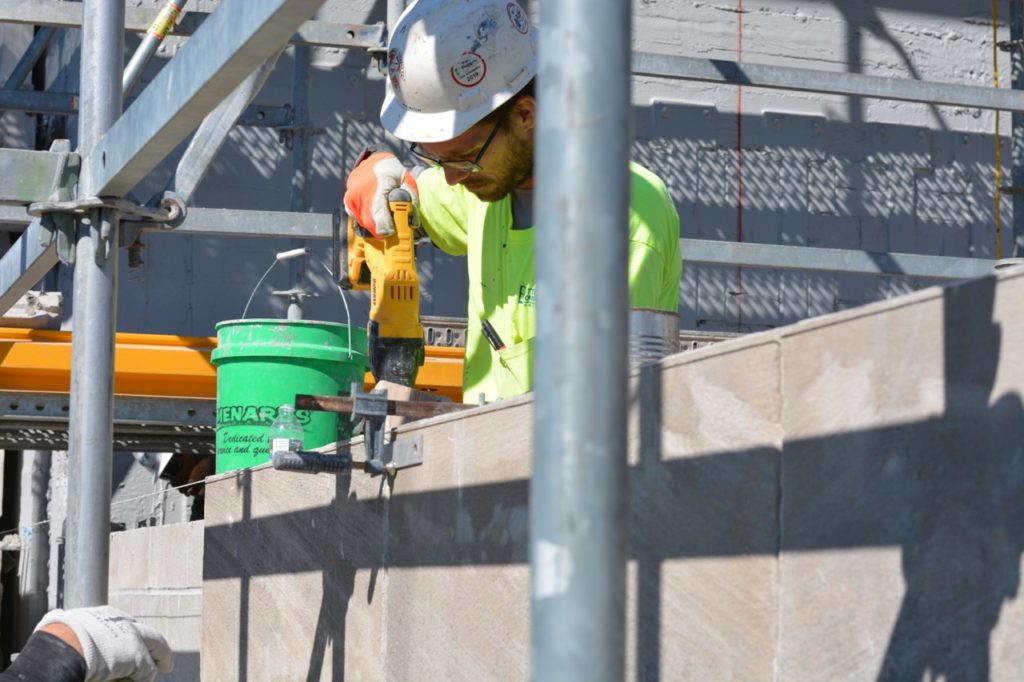
Ensuring the user understands the size and frequency at which holes must be drilled for a project is critical to choosing the proper rotary hammer type. If misuse of these tools continues over a period of time, it can lead to overheating and shorter tool life as well as unnecessary fatigue if an operator chooses a tool larger than necessary for the work at hand. While SDS Plus rotary hammers can be used for most applications on jobsites, including more precise drilling, SDS Max rotary hammers are designed for larger applications on the jobsite, including through holes in concrete and chipping. Since SDS Max offers maximum power and durability, it weighs more than SDS Plus leading to quicker user fatigue. Utilizing the correct tool for the job can help users stay productive and efficient.
The orientation users will be drilling is another factor to consider when selecting a rotary hammer. Drop motor rotary hammers are optimized for overhead and forward drilling, while D-handle rotary hammers are best suited for downward use. With comfortability in mind, the designs of these handles were created to minimize user fatigue and the potential for injury on the jobsite. Choosing the optimal handle shape for a user's drilling orientation will help ensure maximum comfortability and safety on the job.
Recent Safety Technology Advancements
Excessive vibration can lead to improper blood flow and the potential for long-term debilitating injuries. To help reduce the occurrence and severity of these injuries, the Anti-Vibration System (AVS) in Milwaukee Tool’s rotary hammers was designed for continuous drilling and reduces the tool’s vibration by utilizing a variety of mechanical designs. With the constant activation of this system, users will experience less fatigue and fewer issues with circulatory concerns, specifically around their hands. Additionally, the reduction of vibration provides less wear and tear on the rotary hammer benefiting the tool's longevity, which saves money and increases productivity on the jobsite.
According to the National Safety Council, there were 62 million work related injuries in 2021. When drilling through rebar or hard aggregate, rotary hammers can bind up causing the tool to rotate, and results in loss of control and potentially serious injuries. Milwaukee’s AUTOSTOP™ technology helps address the risk of over-rotation, reducing the chances workers will be thrown off a ladder, lose teeth, break bones, or need stitches. The AUTOSTOP™ feature contains an internal gyroscope that monitors the angular momentum of the rotary hammer. Set points are engineered into the rotary hammer, designed to automatically stop the tool before it over-rotates and causes injury. At this point, the tool will no longer fight the user and protect them from potential injury.
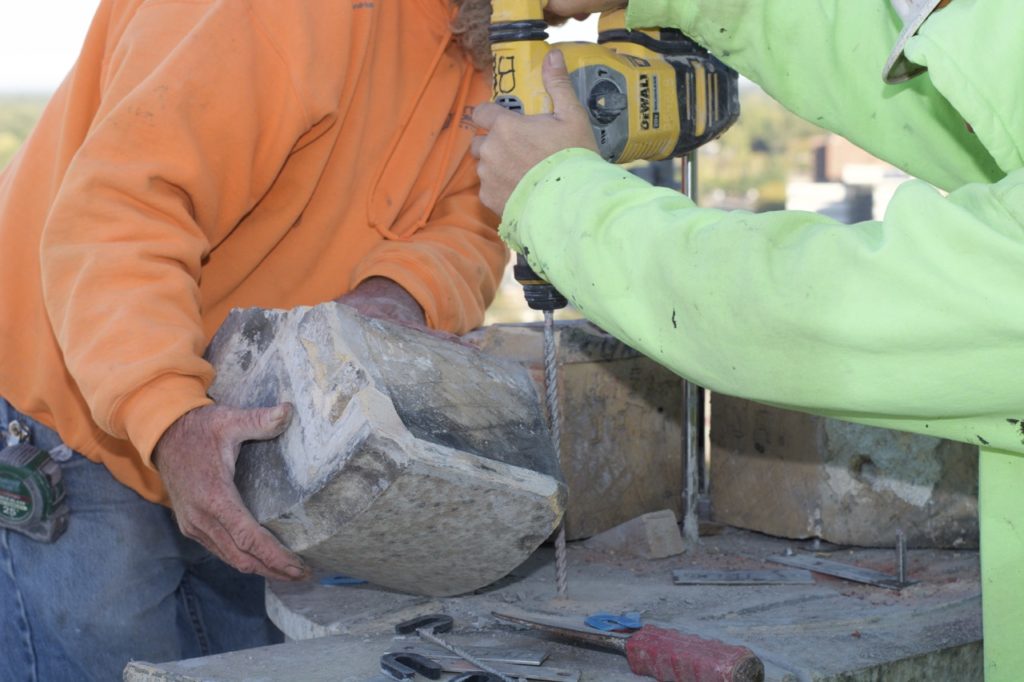
Crystalline silica dust exposure continues to be a threat to U.S. workers, especially those in construction. In 2016, OSHA reported that an estimated 2 million construction workers are exposed to silica hazards in their workplaces. OSHA updated its Permissible Exposure Limit (PEL) for silica in 2017, lowering the PEL for silica to 50 micrograms per meter cubed, averaging over an 8-hour day. Workers who inhale these particles are at an increased risk of developing silica-related diseases such as lung cancer, chronic obstructive pulmonary disease (COPD), and kidney disease. Utilizing a dust management solution lowers this risk. Milwaukee’s HAMMERVAC™ dedicated dust extractors include AUTOPULSE™ Filter Cleaning Mechanism, which automatically cleans the filter after each trigger pull, ensuring users can drill more efficiently and for extended periods of time. The AUTOPULSE™ filter cleaning mechanism meets OSHA Table 1 Compliance and allows users to stay better protected against the harmful effects of silica dust on the jobsite.
Bottom Line
Safety technology is part of a larger jobsite evolution that’s changing how work gets done. New and safer battery-operated solutions redefine rotary hammers. These solutions offer user-driven designs, including Engineering Controls that increase safety, productivity, and ease of use. The mindset on today’s jobsites has changed. Workers realize that the historic safety risks they used to accept as “part of the job,” are now addressable on the jobsites.