How Formal Water Features Can Elevate Any Outdoor Living Design
Words: Joe Raboine
Words: Joe Raboine, Director of Residential Hardscapes at Belgard
Photos: Belgard
Formal water features have historically been an underdeveloped element of the outdoor living industry – but as homeowner's priorities shift, it’s essential contractors gain experience and add water elements to their product offering.
The backyard is no longer only an entertainment space for guests. Homeowners now want to enjoy their area daily – focusing on the little things and not just flaunting shiny, large projects to guests. Water features are the perfect element to still elevate your outdoor living design while improving the client’s day-to-day use of the space and connecting to nature.
Connect with Nature
When considering the increase in popularity for homeowners to crave connection with the world around them, it's important to remember the basic elements that can meet this need – earth, water, fire and air.
Contractors who have leaned into biophilic design know that humans have an inherent need to connect with nature, and there is a growing need to weave elements of the natural world into these modern environments. Some current ways we see this are through water and fire features.
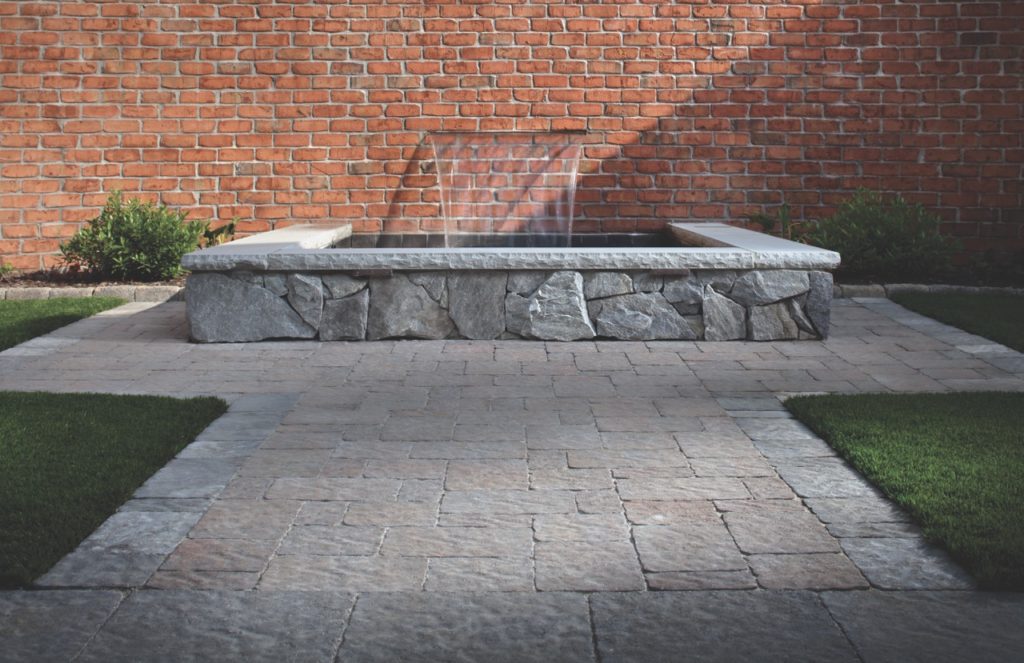
The combination and opposition of fire and water features is a beautiful complement to biophilic design. Fire pits, fireplaces, fire bowls and fire tables combine functionality and beauty, serving as a heat source and focal point in outdoor design. Water features also come in various options, from more traditional fountain styles to copper and stone water bowls, which can integrate with fire features and planters.
Incorporating water features, like a bubbling fountain or water bowl, or a cozy fire pit into your outdoor living design adds another layer of depth to the space while creating great focal points and gathering spaces for family and guests.
Prioritize the Sensory Experience
Beyond biophilic design, contractors should consider the sensory experience a homeowner will receive in their outdoor space. From the moment they walk out the door – what do they hear, what do they smell, what do they feel? According to a survey by Yardzen, homeowners are requesting at least one sensory element in their yard – smell, taste, sound or touch.
There are endless ways to integrate these elements into your design. It can be as simple as planting more trees to increase the number of leaves blowing in the wind or as intricate as strategically planting lavender around the space to bring a fresh smell.
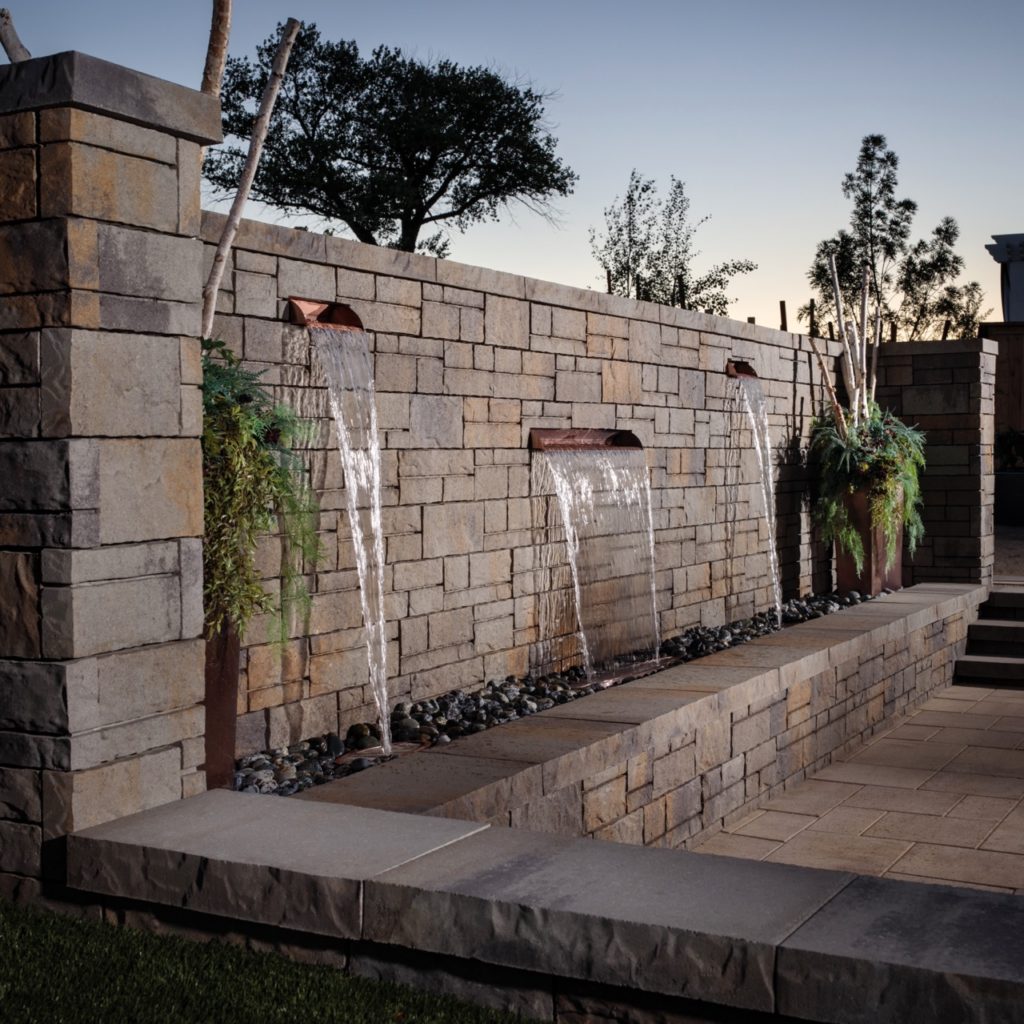
Water features can provide a unique sound based on size and shape. A water bowl can transform the environment by adding the sound of flowing water. Whether it's a scupper, spillway or spout, homeowners can choose various relaxing sounds and styles. As a bonus, the sound of a water feature can help reduce noise pollution from neighbors or nearby traffic.
Pair the water feature with some soft landscaping to incorporate the element of touch and enhance the sensory experience for your client. Combining this sensory design with biophilia in mind truly elevates the quality of the outdoor living space – and makes a much happier client.
Take it to the Next Level
Now that we have established water features are an essential element of outdoor living design – what's next, and how far can we take it?
Contractors can enhance a formal water feature with technology such as lighting. Integrating some up-lighting into the design can highlight the water feature so clients can enjoy it at any time of day. Even further, a color-changing light component can add a special ambiance depending on the occasion or time of year.
In addition to simple water features, contractors can take a layered approach and integrate a feature at the pool or around the pool deck. Laminar jets, spillways and formal fountains transform the pool into a beautiful accent and add soothing sound that can be enjoyed year-round – even when it's too cold to swim. The zero edge or vanishing pool is also very in fashion this year. This style emphasizes biophilic and sensory design, creating the sound of falling water and connecting the overarching design to the horizon.
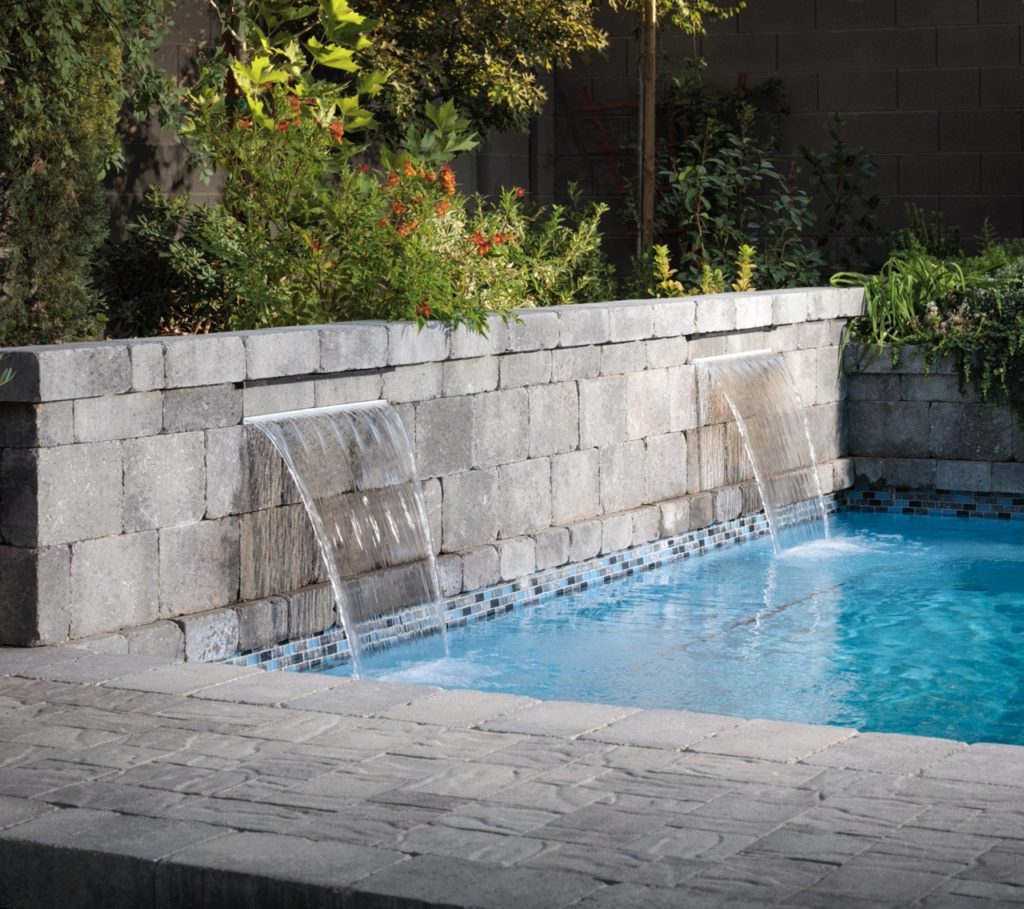
Many single-family homes in bigger cities aren't equipped with the space needed for an average in-ground pool – but they may still want to take their water features to the next level. This is where they can get creative. Plunge pools or dipping pools offer the benefits of an in-ground pool but can be installed in smaller areas. Given their compact design, akin to a hot tub, they can be incorporated in tighter spaces, like along walls or fences. Plunge pools are perfect for relaxation or low-impact exercise and can suit any aesthetic with a custom design. Homeowners also can integrate other elements, such as small water or fire features and plants, to create a unified, soothing micro space.