Communicating Across Generations From An Instructor
Words: Fred Mason
Words: Fred Mason Jr. and MASONRY Magazine
Photos: Fred Mason Jr.
Editor’s Note: MASONRY Magazine had the opportunity to sit down with Fred Mason Jr., an inspiring masonry instructor, and we talked about the impact of instructors in the industry, his experience, and the time spent developing the future workforce of the industry.
Fred Mason Jr. has been in the masonry industry for quite some time. Since Fred decided to become an instructor, he has seen the industry through another lens. To effectively teach students, we talked about the additional studying and learning that Fred had to do. Throughout his career, he has had various experiences that impacted him immensely. Still, the proudest moment was when he had his first student enter the industry and become a mason. He said, “That was a really big moment for me. That was probably the biggest.”
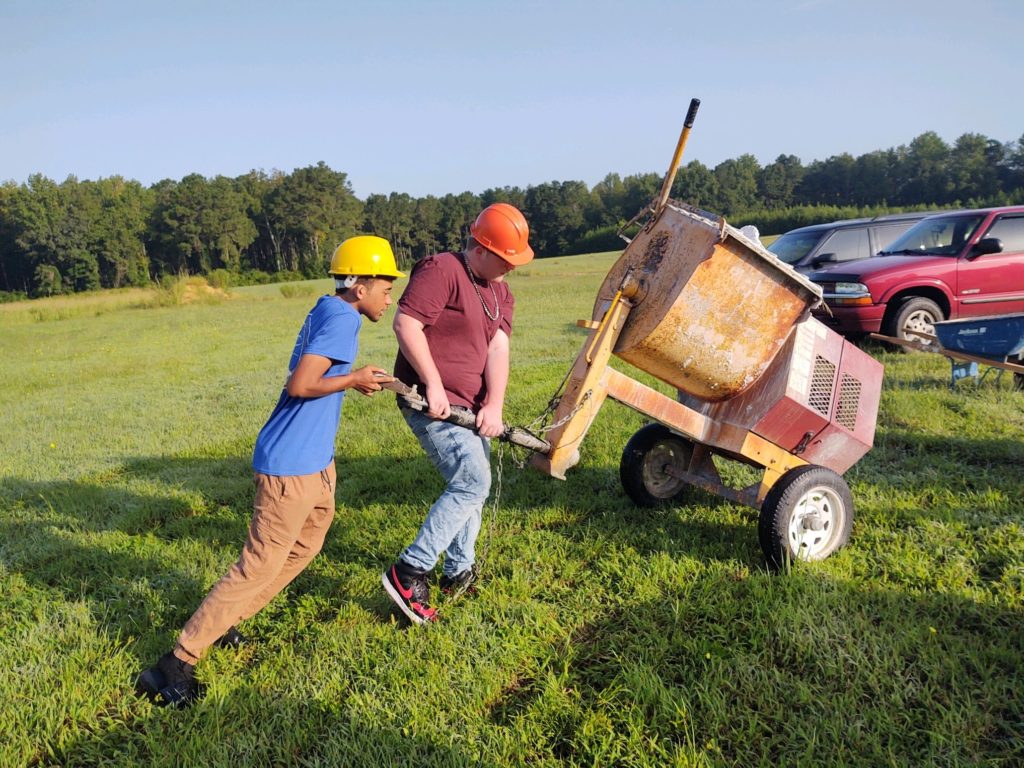
While many industry leaders become mentors, such as Fred Mason Jr., many also have experienced being mentored before. Fred talks about his mason teacher growing up and remembers his mentor being tough on him, but this didn’t slow him down. When instructors continue to push a student, there is usually good faith behind it, and that was exactly the case. Fred has developed the skills to balance pushing his students to new levels while maintaining a friendly communication style. In his experience, the key to maintaining the communication between the students and instructors is to be more thoughtful until they finally see themselves improving. Otherwise, there is always the chance that you may push too hard and, thus, push them away from the industry and learning experience.
Throughout time, the workforce development in the industry has grown immensely. Fred noted that when he began in masonry, there weren’t programs like today. Until he started teaching, he never saw the career and workforce development side as an industry priority. Throughout his time as an instructor, Fred noted that the masonry development is “...top of the line, first-class now. It’s amazing what workforce development is doing for our young kids today and for the instructors.” One industry-wide initiative that developed significantly was the competitions that students get to train for and enjoy. At the time, Fred had the opportunity to compete in smaller competitions such as local and regional competitions. During that time, if you did not qualify for the regional, you did not go. Now, students get exposure to masonry in many different competitive challenges giving the students “the exposure and experience that…goes along with the workforce development,” Fred Mason Jr. said. “The other students that are not competing, they get motivated. They want to work hard so they can compete.”
Being an instructor is one of the most impactful and vital roles in our current development of the masonry workforce, but some pivotal experiences can shape an instructor before considering teaching others. Fred suggests that getting some experience in the field is key to understanding how to handle situations in the industry, such as running into obstacles that require problem-solving and experiencing work on a job site. Then, if you become an instructor, “...you’ll be able to answer some of those questions that they will ask you. They will ask those questions.”
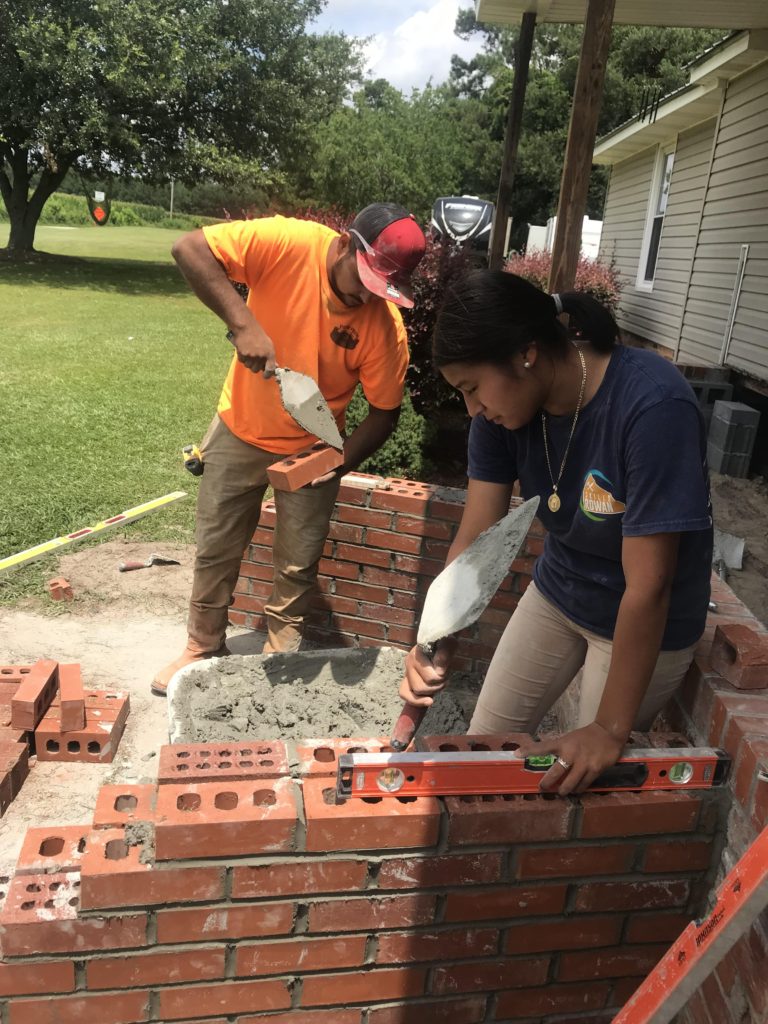
There are various training classes for people looking to develop in masonry. Today, Fred teaches students about workforce development and the onboarding that goes into new masons, highlighting current standards, codes, and procedures such as silica safety. Throughout these experiences, it is important to develop a commonality between the instructors and students. Fred talked about how it is important to admit when you are wrong. Even instructors teaching the industry make mistakes just as everyone else does. He said, “I’m not perfect.”
Maintaining relationships with students even after entering the workforce is one of the many rewarding factors in being an instructor. Fred said that he invites his previous students to things like the in-house competitions or to come back and talk to the current students, “...just talk to them on their level.” Another key aspect to inviting students back is when Fred asks them to run award ceremonies or judge the competitions taking place in the area.
“The workforce development is doing such an outstanding job for high schools and for masonry instructors.”