Natural Thin Stone FAQ
Words: Dan KamysDecember 2007
Stone
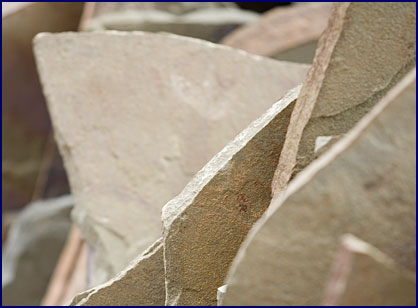 The masonry industry stretches far and wide, but suppliers and design centers hear the same questions repeatedly. Masonry magazine collected a few frequently asked questions about natural thin stone from masons in Sacramento, Calif. Following is what two experts in this field, Liz Serven with Silverado Masory Design Center in Sacramento, and Beth Dewbre at Montana Rockworks in Kalispell, Mont., had to say:
Q: What are the benefits of using natural stone compared with manufactured stone?
A: There are many reasons to use this product. Natural stone:
- Never fades
- Requires zero maintenance
- Patinas with age
- Shows only natural stone if broken (instead of aggregate)
- Can be cut or hand split for perfect installation without exposing concrete
- Is permanent
- Is accepted by most architectural review committees
- Increases value of the building
- Has a story (topic of conversation)
- Is considered a status symbol.
Q: Is the color of natural stone consistent from batch to batch?
A: It is graded by color and size, so the basic color possibilities within a pallet stay the same. However, as different formations are mined, some shifts in color are possible. The beauty is in the fact that each piece is an original, which means no two jobs will ever be identical.
Q: Is thin veneered stone a domestic product?
A: Yes and no. Stone comes from all over the world. The material is natural, so you must go were the stone formations are, which are the United States and abroad.
Q: Is thin veneered stone a green product?
A: Yes, it is.
Q: Are there any problems with installation?
A: As long as the material is installed correctly, there should not be a problem. One thing we find in installation is that not everyone adds adhesives, which must be done since the back of the stone is smooth.
Q: Does natural stone have adherence, or is it anchored?
A: No anchor is necessary; it is adhered.
Q: What is the weight factor per square foot?
A: Natural stone should weigh about 13.33 pounds per square foot.
Q: Are corner units available?
A: Yes in most products and is sold by the linear foot.
Q: What shapes and sizes are available?
A: Product can be found in most shapes and sizes, tumbled and non-tumbled. If you can get the shape you are looking for in a full-size rock, you can have it in a thin veneer stone. Therefore, both full thickness and thin veneer stone can be used on a job.