Perspective Elevating Security on Mast Climbing Platforms
Words: Dan Kamys
Personal Safety
By Vincent Dequoy
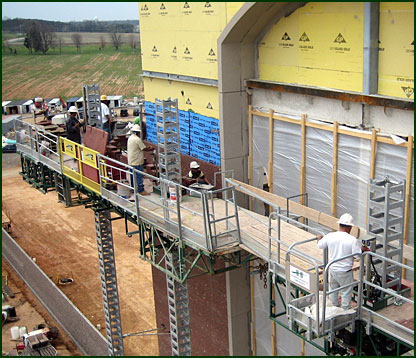
A current trend among manufacturers, whether for hand tools, PPE or heavy machinery, is to integrate continuous innovation to provide optimal safety and comfort to the users. In the access equipment market, a safe and ergonomic solution is slowly replacing traditional methods: the mast climbing work platform.
Examples of workers wrestling heavy and dangerous loads through levels of scaffolding remain common, even though OSHA reports that scaffolding-related incidents cause 4,500 injuries and 50 deaths every year in the United States, with an average cost of $100,000 per accident.
Here's the question: Do you really want your main assets — your skilled labor — to use traditional scaffolds?
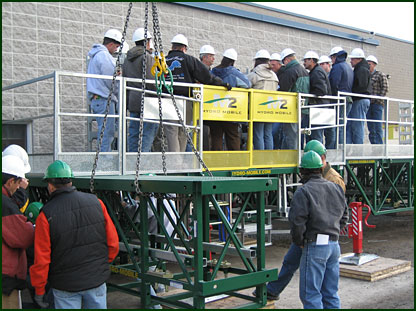
Hydro Mobile's answer is in mast climbers so safe that workers don't need to be tied with a lifeline on the work area. The platforms feature wide workspaces, overload control, emergency brakes, self-leveling devices, weather protection, anti-slipping floors and efficient guardrails to provide the safest work environment. Materials can always be placed at a comfortable height, reducing fatigue and risks of injury, as workers do not need to bend over to lift heavy weights.
The key factor for safety in the construction industry remains the qualifications, experience and training of the responsible persons. For this reason, Hydro Mobile created Hydro Mobile University more than 10 years ago to provide the proper training, client support and technical expertise essential to both personnel and equipment safety.
Vincent Dequoy is president of Hydro Mobile, a privately owned company mainly involved in the design, manufacturing and distribution of mast climbing work platforms for the construction industry.