March 2014 : Government Affairs
Words: Dan KamysMarch 2014
Government Affairs
Silica Comments in; Public Hearings Quickly Approaching
 By Stephen A. Borg
As we have covered previously in this column, one of the biggest issues facing the masonry industry – and the construction industry as a whole – is the proposed new rule being pursued by the Occupational Safety and Health Administration (OSHA) to further reduce the permissible amount of workers’ exposure to crystalline silica.
As a part of MCAA’s game plan to combat this misguided and infeasible rule, the association joined with 25 other associations who represent almost every facet of the construction industry to create the Construction Industry Safety Coalition (CISC). Over many months, numerous briefings, weekly conference calls, and massive efforts by MCAA and our Coalition partners, we finalized our Coalition comments and officially submitted them to the OSHA on Feb. 11.
While our comments were detailed and extensive, the overarching theme and summary of our comments is as follows:
“Given the lack of scientific explanation justifying the new exposure limits, the many contradictions between the rule and the realities faced in the construction industry, and the fact that agency officials made significant errors in the basic data the rule is based on, we are urging the administration to withdraw this proposed rule. We strongly urge agency officials to work with us and employee groups to craft a silica measure that will build upon the work all of us have done to reduce silica-related deaths by 93 percent during the past three decades.”
On top of these efforts, MCAA and all of our coalition partners also individually submitted our own individual comments to OSHA, and MCAA has requested a time block to testify at the public hearings scheduled to be held in Washington, D.C., beginning March 18, 2014. We truly appreciate all of the MCAA members throughout the country who took the time to become educated on this drastic proposed rule and submitted comments of their own to OSHA.
While the comment period to submit comments to OSHA has officially closed, it is imperative that each of you continues to educate yourselves on this rule, participates in combatting the rule at every opportunity, and voices your concerns to your Members of Congress in both the House of Representatives and Senate. The more we can raise our unified voices and show how impactful this rule would be to our businesses, our industry, and our economy, the more we can have an impact on the final rule or the hopeful withdraw of the rule all together.
MCAA will continue this fight by participating in the public hearings in Washington, D.C., and voicing our concerns with the overall rule. The more information we can have on the overall impact of this rule on your businesses and real world examples, the better we will be able to tell our story to back up our overall opinions of the infeasibility of this rule.
Please take the time to visit the docket for the rule at www.regulations.gov/
#!docketDetail;D=OSHA-2010-0034. Read the proposed rule and official comments that have been submitted, become educated, and make your voice heard. Our comments and public testimony will hopefully have a great impact on this rule, but our fight is only just beginning. We are only as strong as the involvement from you, our members.
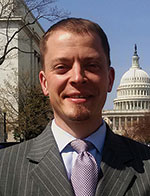
Stephen A. Borg is vice president of The Keelen Group, www.keelengroup.com.
Return to Table of Contents