February 2012: For The Record
Words: Dan Kamys
For The Record
 Jennifer Morrell
Editor
jmorrell@lionhrtpub.com
Jennifer Morrell
Editor
jmorrell@lionhrtpub.com
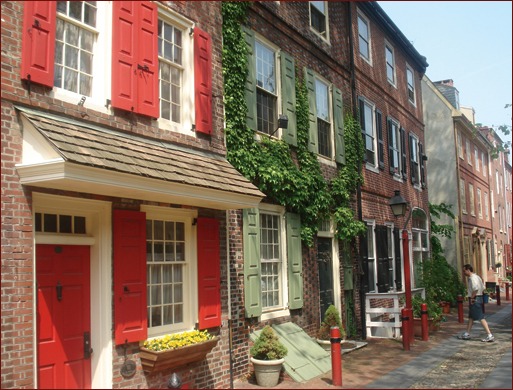
Pick up the real estate section of any newspaper, open any real estate directory in any city, or visit any realty website, and the descriptions of the homes – anywhere in the country – will be the same, if bricks are used. You see, bricks always are mentioned front and center. “All-brick home?Ķ” or “Two-story home with three sides brick?Ķ” After all, three sides clad in brick are better than two, which are better than one. Bricks are a bragging right, and the more, the better.
Even condominium descriptions will tout the use or inclusion of bricks when possible: “Spacious great room with exposed brick walls?Ķ”
Make no mistake: Bricks are a selling feature on any home or building. On the exterior, you know you’re getting a sustainable, durable product that creates a long life for the structure. On the interior, bricks present an ambiance of warmth, and add charm and character.
With such a variance in sizes and colors, bricks allow for endless looks and patterns. These looks and patterns can be varied further by merely changing up the mortar colors.
What’s the best thing about building with bricks? Turns out, everything. In this issue, the Brick Industry Association outlines the many environmental attributes of the almighty brick in an article addressing sustainability on p. 24.
Not to take away from masonry’s other magnificent materials (blocks, stone, marble and more)?Ķ We just want to celebrate the brick and all it has to offer. So, thank you, brick manufacturers; thank you, brick distributors; and thank you, brick masons all over the world. You make our industry proud!
 Return to Table of Contents