Cleaning and Sealing Inside
Words: Dan Kamys
Cleaners and Sealants
Side Story:
Some contractors have a problem with post-construction cleaning of new substrates used on fireplaces, interior "stone" walls, and other inside applications. This can be especially tricky when the work is not in new construction but a remodeling job where the owner is living or working in the location, and carpeting, wood paneling, expensive d??cor and other amenities are in place. Discussing this challenge with Lynn Peden of EaCo Chem, Masonry received got the following suggestions.
"Our product can be used with a trigger sprayer and rinsed with one as well. This creates very little mess and is still effective because of the buffering that's in the formula. We don't rely on extensive rinsing to get the chemical out. In general, there is no problem if it isn't thoroughly rinsed with a pressure washer or even if the chemistry remains on the wall."
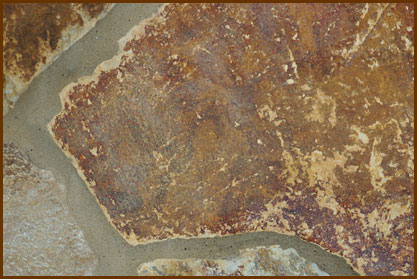 Before cleaning
EaCo Chem has produced a short video, posted on their Web site at www.eacochem.com and the following tips come from it:
With a trigger sprayer or spray bottle, you're basically misting on a few ounces per square foot, and the total exposure is a few gallons. But even with this small amount of chemical and water being used, there are precautions to take in advance.
First, prepare the site by putting down plastic sheeting or drop cloths to catch any overspray. Have damp absorbent cloths available along with a scrapper and stone for cleaning up the edges.
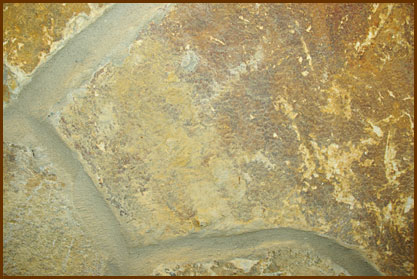 After cleaning
The trigger spray bottle application will cause minimal wetting, but you don't want to get any run down, so use small amounts and catch the run off with a damp cloth. When the chemical is applied, you'll see an obvious marker where the mortar is cleaned once the foaming stops. You can reapply the cleaner as necessary to assure an even cleaning; the cleaner won't change the color of the mortar.
Rinsing with clean water and the spray bottle, again catching any run off with a clean damp cloth, is the final step. The finished stone or brick will look clean and have a crisper color than before.
Another interior challenge is sealing the now-clean product. Zach Fatla, brand manager for SureBond, explains, "An interior product does not require the same UV stability and weather-resistance as an outdoor sealer. In most cases, water-based products can be used in both interior and exterior applications. Water-based products are safe and user friendly, a better alternative to solvent-based products when working in an indoor setting. The biggest question is making sure there is proper air flow and circulation to ensure proper curing of the sealer."
??? Tom Inglesby
