The American Dream
Words: Paul OdomPaul Odom, MCAA Chairman

As I sit down to write this month’s message, I have just finished celebrating the 4thof July with my family. We had a fantastic long weekend, as I am hoping many of you were able to do as well. It got me thinking about how incredibly fortunate we all are as Americans thanks to those who have served our country. We owe a lot to you. It is my hope that we can all honor them through our thoughts, actions, and prayers.
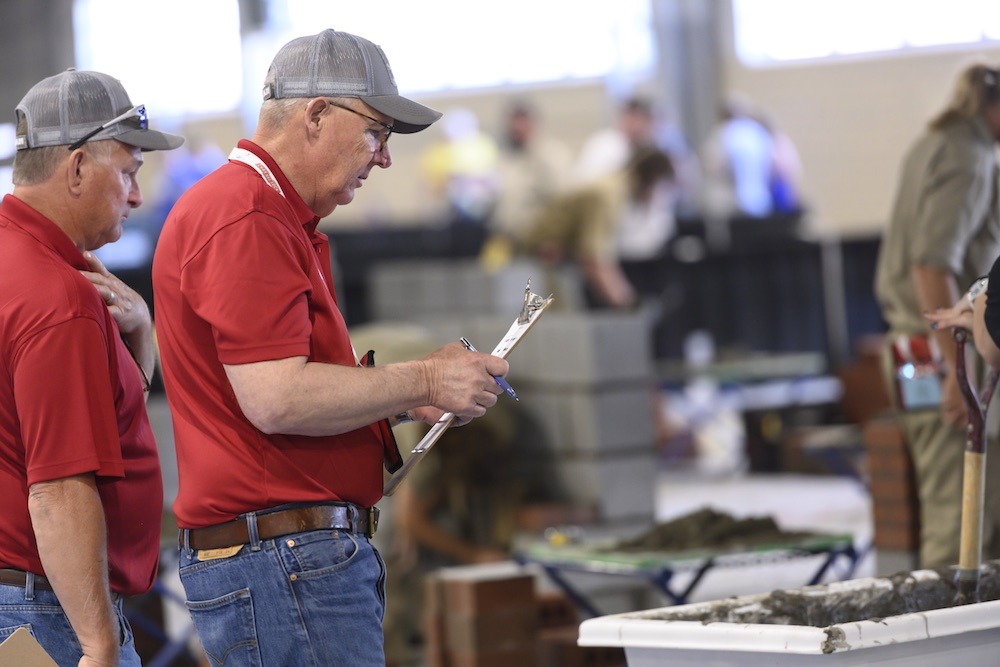
America is a great place to live, and I am convinced the American Dream is not dead. I had the opportunity a couple of weeks back to go to the SkillsUSA National Competition. It is always a fantastic event and I am constantly amazed by the talent we see out there. With all those high school students competing from around the nation to show off their skilled trades, it is clear the American Dream lives on through programs like this!
in second grade and had the opportunity to do so many great things with us, including:
- Tour of Mount Vernon
- Tour of Library of Congress and the Supreme Court
- Touring the federal reserve
- A nighttime tour of the monuments, which were beautiful at night
 Bruce Starrenburg Photography for MCAA
Not everyone has to go to college after high school to be successful and live that American Dream.
Let me expand a little bit on that. From what I have read, the average college student accumulates $40,000 in debt. That’s a pretty large sum for someone in their early 20s. Then, they may graduate and not find a job or it’s not a very high-paying job.
On the other hand, you have a high school student that has been studying a trade, such as masonry. During the summer they work for a contractor, making more money than most of their friends working at the fast food joint. It may be hot outside, but they are banking it and know that when they graduate, they will have a good paying job. After graduation, these students go straight into an apprenticeship and are being paid to learn a trade.
After a few years as a mason, let’s say they become a foreman and their pay and benefits increase even more. They then have the opportunity in a few years to become a superintendent, project manager, or estimator. They have accomplished all of this, making good money and not accumulating debt like their college friends are. Plus, they have got a career that will stand the test of time.
Don’t get me wrong, there is still a need for a college education. After all, we will always need doctors, engineers, lawyers, etc. In no way am I saying that it is bad to go to college. What I am saying is that we need to be doing a better job of making sure young people know that there is more out there than a college education can provide.
Soon kids all over the nation will start getting ready to go back to school. In junior high and high school, they are starting to talk about what they want to do after graduation. We have got to get the word out that there are opportunities in masonry at this point.
This month, I want each of you to make the effort to either get with your local or state association or talk to a counselor at a school about ways that you can help encourage more trade involvement. It starts with each of us. SkillsUSA is all over the country. Find out how you can be a volunteer to help prepare these young adults for a successful career in masonry.
The other thing I want you to make sure you are doing is registering for the Midyear Meeting coming up September 8-11 at the Omni Mount Washington Resort in New Hampshire. Sign up soon! Check out all of the great things we have planned at www.masoncontractors.org/midyear/ You will not want to miss it, with opportunities to golf, networking with contractors and suppliers, and so much more. Susie and I hope to see you all there next month.