The Evolution of the Modern Mason: Maximizing Creative Expression with MSV
Words: Isa Stein
Sponsored By

Masonry is a timeless craft that has endured the test of centuries while experiencing many transformations. A current shift is that the modern mason is no longer confined to the difficult task of working with natural stone - instead, he or she can embrace the innovations provided by manufactured stone veneer (MSV). This evolution extends beyond ease of installation and cost-effectiveness; it also opens up new avenues for creative expression. MSV can contribute to the art of masonry by allowing masons to combine their creativity with practicality.
The Foundations of Traditional Masonry
Masonry has a rich history dating back to ancient civilizations when the work was defined by the skillful use of natural stone and the careful selection of varying stone sizes, shapes and qualities. This reliance on natural resources brought its challenges: the process was labor-intensive and physically demanding, in addition to being limited to whatever materials were at hand. The result was stunning architectural marvels, but also a confinement to the specific styles that the materials would allow for.
The Emergence of Manufactured Stone Veneer
With the modern-day innovation of manufactured stone veneer, the masonry profession can further realize its creative potential. As a lightweight concrete mixture that is molded, colored and textured to closely resemble natural stone, this versatile product not only depicts nature’s beauty but also provides ample opportunities for artistic possibilities and efficiency.
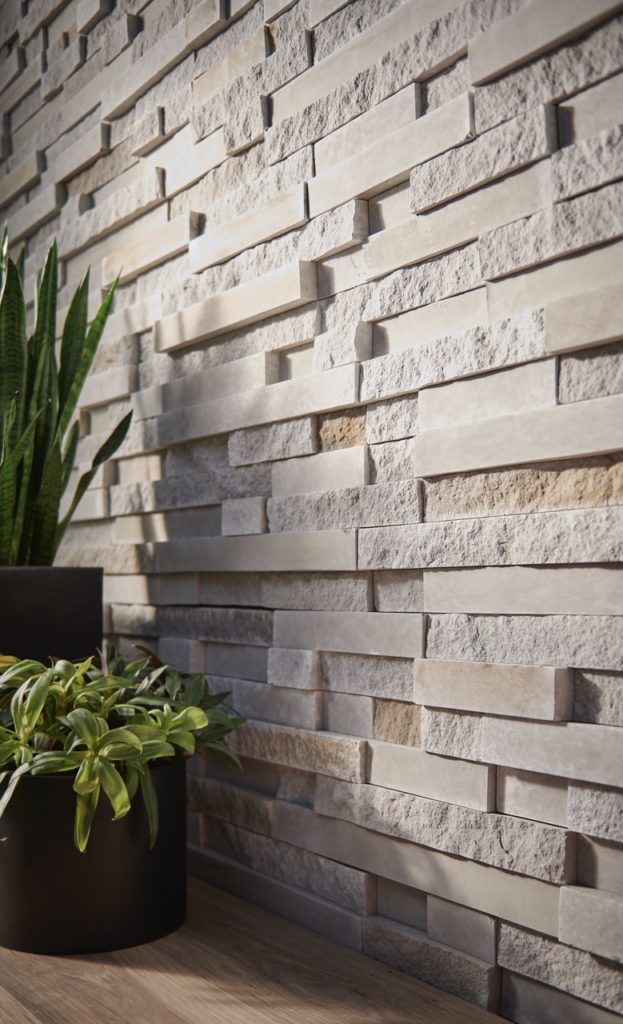 Ethos Pro-FitⓇ TerrainTM Ledgestone
A few ways masons are evolving their critical role on the job site with products like MSV include:
A Colorful (and Textural) Palette
MSV provides a wide selection of format options that can range from regional stone shapes to minimalist, linear silhouettes that can take on a contemporary feel. When exploring color options, a variety of possibilities are provided by MSV. Whether it be earthy, warm hues or sleek and modern tones, MSV allows pros to precisely match the aesthetic requirements for their projects.
In a tactile sense, MSV presents an equally diverse range of textures that can transform a brand new build into an extraordinary display of personality and character. From the weathered charm of centuries-old limestone to the rugged appeal of fieldstone, MSV provides a distinct tactile experience that can adapt to various architectural styles.
Reduced Weight and Faster Installations
While MSV expands artistic horizons for masons, it also enhances efficiency in the build process. Traditional masonry projects can be time-consuming due to the need to cut, shape, and arrange natural stones. In contrast, MSV is often available in panelized units that are easy to handle and install. This streamlines the construction process, resulting in quicker project completion.
Additionally, the lighter weight of MSV products, especially compared to natural stone, eases physical strain on masons’ bodies: it typically comes off the pallet in easy-to-manage boxes that weigh roughly 10 pounds. Presorted for variations in color and size, it is easier to move, manipulate and apply.
Installation also moves faster on most projects. Due to the weight that full-bed stone puts on the mortar, even the most skilled masons can only make so much progress each day. Faster, easier installation allows masons to add more projects to their schedules during seasons of heavy activity.
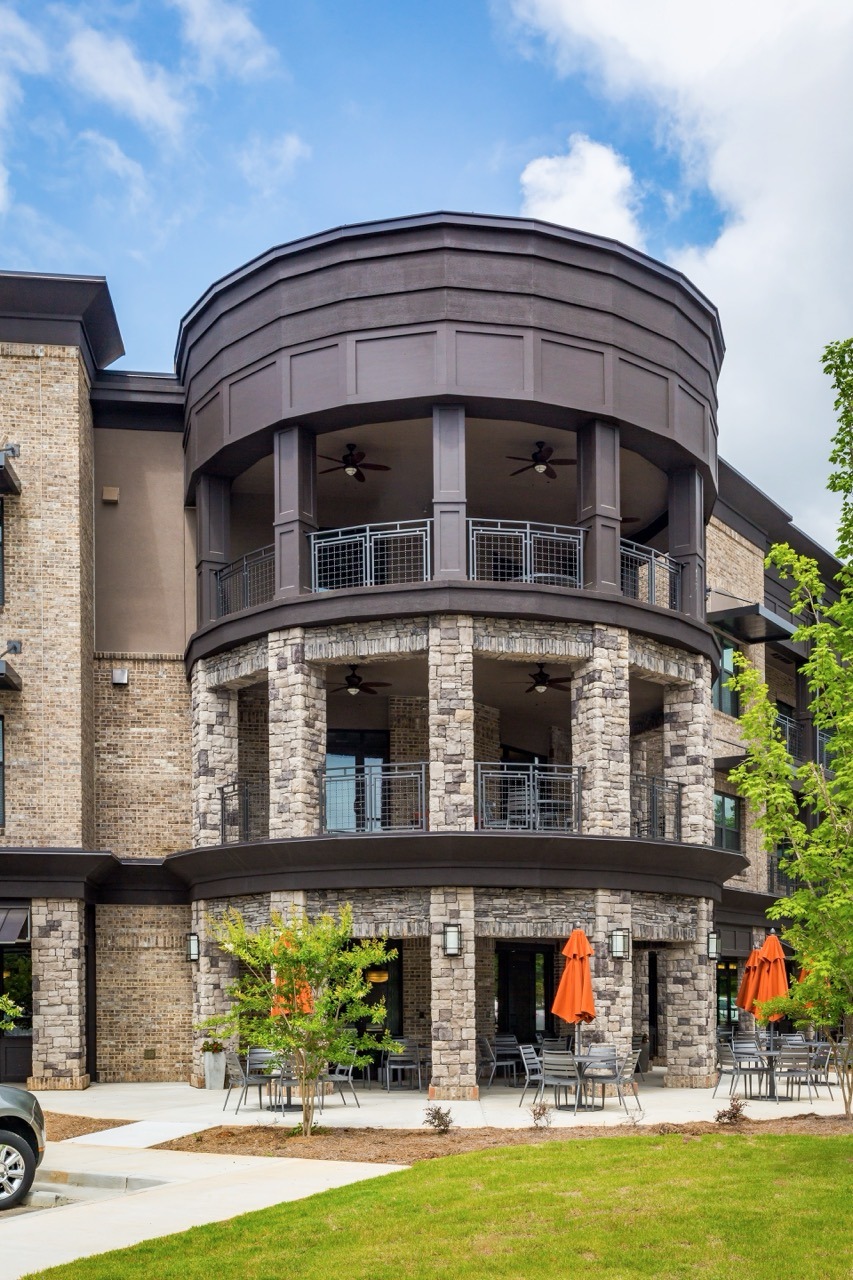 Gray Cobblefield
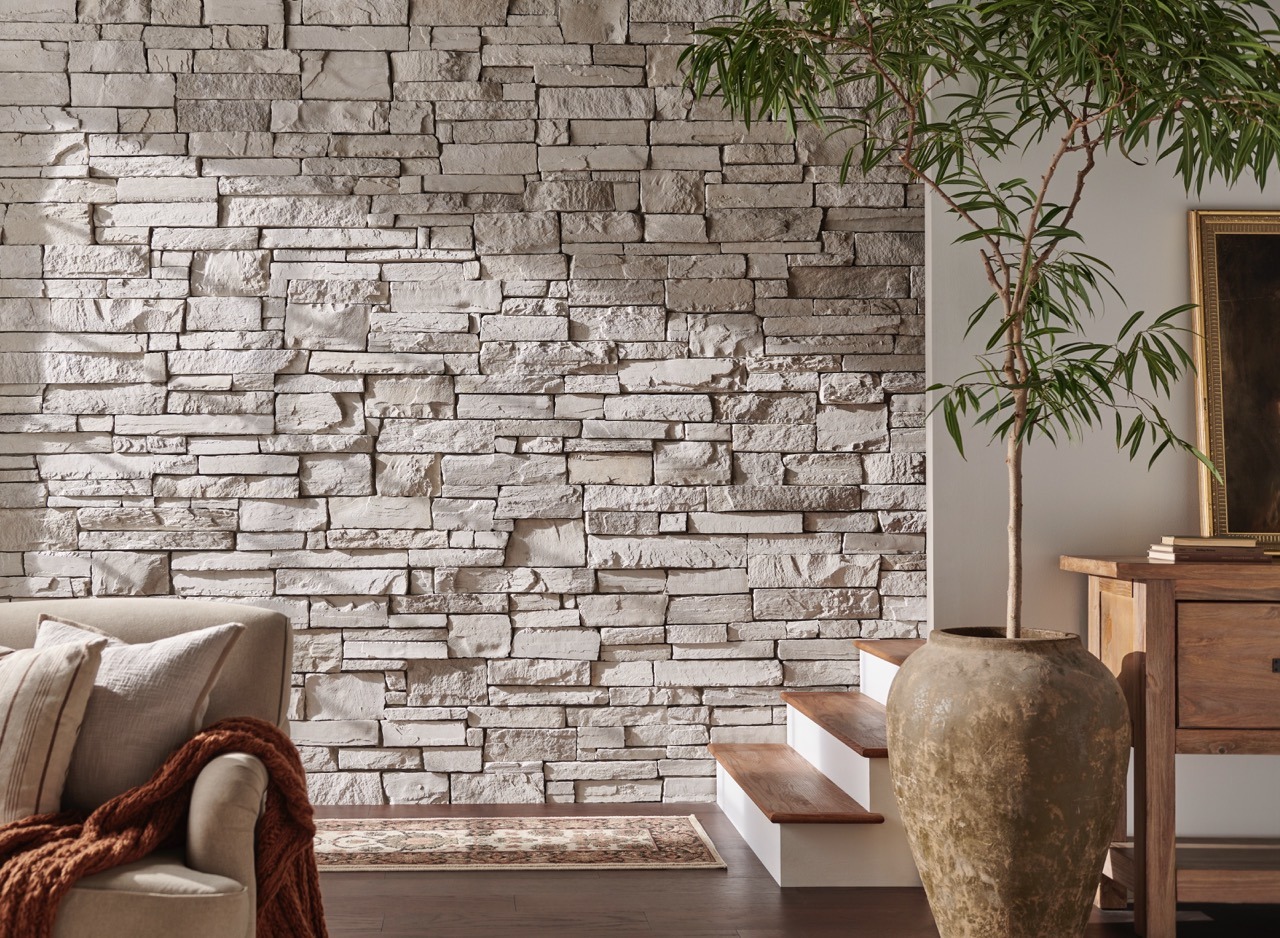 WheatonTM Country Ledgestone
Sustainability and Cost-Effectiveness
MSV can be chosen over natural stone as a means to conserve the natural resources found in the earth. It is often more cost-effective than natural stone as well. More readily available and typically costing less to install due to its lightweight and standardized formats, this affordability makes MSV an attractive option for both residential and commercial projects.
Adaptability in Form and Function
The inherent versatility of manufactured stone veneer allows it to find its way into a variety of applications, spanning from historic renovations to newer projects. Its adaptability enables industry professionals to address a project’s practical needs while simultaneously unlocking a creative endeavor.
For historic renovations, MSV can serve as a valuable tool for restoring the look and feel of an original home or building, providing meticulous details that replicate intricate stonework of the past. The ability to mimic the texture and color of natural stone or brick plays a pivotal role in preserving the character of a building. Even more, the lightweight nature of MSV is especially beneficial in reducing the load on older structures.
For more contemporary designs, MSV acts as a bridge between tradition and modernity. Different regions are characterized by distinct architectural styles and preferences for stone patterns and colors. Whether it’s the warm, earthy tones found in the southwest, the rustic charm of New England, or the sleek lines and trendy colors of contemporary urban projects, MSV encourages built environments to be infused with a sense of character.
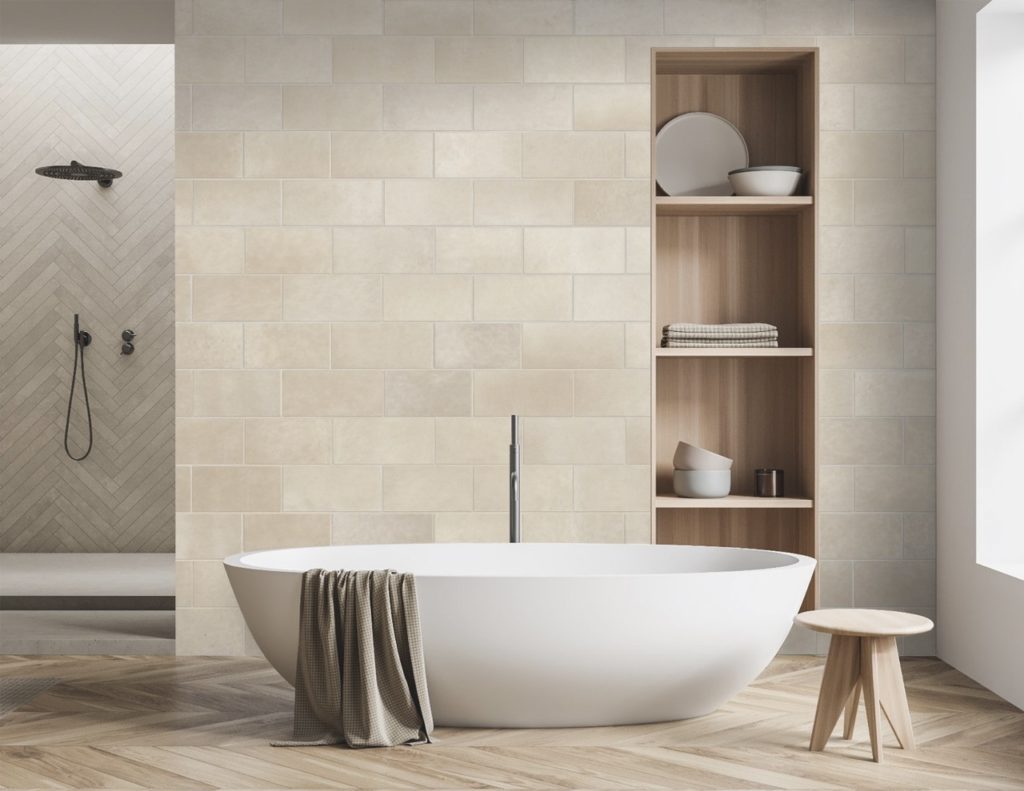 ParchmentTM Cast-FitⓇ
The Future of Masonry
As the evolution of the modern mason continues, it becomes evident that the introduction and evolution of MSV itself will continue to offer craftsmen the chance to diversify their creative repertoire, increase efficiency and reduce the physical toll of their work.
New products with trend-setting styles, lighter weights, ease and versatility of application will continue to impact the homes, commercial spaces and communities tomorrow, as well as the artisans who build them.