September 2013: Technology
Words: Dan Kamys
Technology
Automated takeoff and estimating processes save CB Masonry time and money.
 By Greg Isaacson
The 21c Museum Hotel in Bentonville, Ark., was a dream project for CB Masonry Inc. (CB). The project had the artistic intricacies in the decorative masonry work that only could be tackled by an experienced masonry company. Located on the northeast corner of the town square and steps from the Crystal Bridges Museum of American Art, the hotel was to feature curated rotating exhibitions of contemporary art, 104 rooms, and more than 12,000 square feet of exhibition, meeting and event space. The four-story contemporary building is a monumental addition to downtown Bentonville.
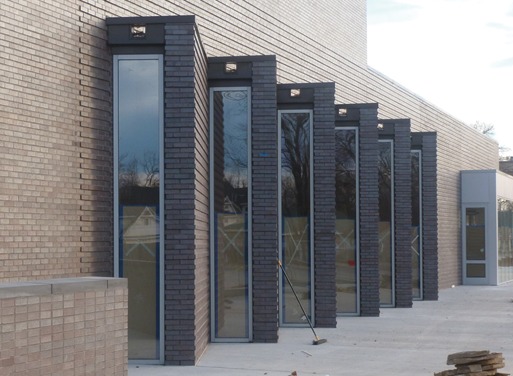
The project was a compilation of different styles of decorative masonry work and brick veneer. The artistic element of the hotel created an interesting and challenging construction project. It had varying wall styles, arched entries, and suspended brick ceilings.
As the first ground-up construction of a 21c hotel, the project allowed for slightly more flexibility, yet required the bridging of new elements with the old to maintain a familiar look and feel with other 21c hotels.
To create the look of an old masonry exterior, thin brick veneer was to be used above the second story. The project called for just more than $500,000 worth of material, which included brick cast, natural stone benches, pavers and brick veneer. Open spaces outdoors featured masonry accents to tie the buildings together and give a feeling of continuity.
With a complex material list and ongoing changes throughout the project, CB’s recent deployment of On Center Software’s On-Screen Takeoff automation technology proved instrumental in helping CB complete this project on time and on budget.
Prior to using takeoff and estimating automation technology, CB relied on the manual process of entering information into a spreadsheet. The process was labor intensive and unreliable. Estimators spent a significant amount of time carefully combing through numerous printed plans to tabulate material lists. Valuable time also was spent developing the materials list, while quantities were not always correct.
Further complicating the process were ongoing change orders and requests for alternatives. With manual processes and spreadsheets, CB’s estimator would sift through marked-up plans and prior estimates to work up a change or develop an alternative, incorporating it into the overall project budget and bid. Even small changes created a time burden and added to the cost of bidding on projects. Furthermore, significant time was spent driving from CB’s offices in Little Rock to project sites to communicate changes to the field.
Using automation technology, CB was able to greatly streamline this process and avoid needless delays. With a few clicks on the keyboard, takeoff information entered online during the initial bid was printed and, immediately after, materials were ordered. With detailed information in hand, CB was able to easily demonstrate to the client how materials and manpower costs were calculated. Field foremen were provided with a materials list for the job that included pricing, quantity and size. Because the information is so specific and easy to read, there was no need to spend time re-teaching the field about the project materials.
Additional time savings was achieved by eliminating the need to drive from the office to the jobsite to update the field foreman each time changes were made.
The cost savings associated with automating takeoff and estimating also was significant as CB was able to give a real-world portrayal of what the project would cost. With the necessary information in hand, CB was able to ensure necessary manpower was available and provided the ingenuity to bring the project to life without taking undue amounts of time.
For example, while a drawing might look great on paper, sometimes plans are not exactly feasible in a real-world application. Being able to show both the desired look versus how it will actually appear upon completion was a big benefit during this project, particularly as it relates to the suspended ceiling.
Greg Isaacson is an estimator and project manager for CB Masonry Inc. CB is an Arkansas-based, family-owned commercial masonry contracting company with more than 200 employees. The company’s geographic focus includes Alabama, Arkansas, Louisiana, Missouri, Mississippi, Oklahoma, Tennessee and Texas.
Return to Table of Contents