September 2013: Government Affairs
Words: Dan Kamys
Government Affairs
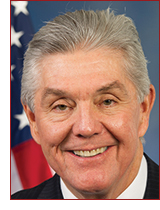 Congressman Roger Williams (TX-25)
When I first decided to run for Congress, I did it because I didn’t think enough people were fighting for small businesses. As a business owner of 42 years, I have skin in the game, and I know what it takes to spur the economy and allow business owners to grow and thrive. My family’s business, passed down for three generations, is affected daily by Washington’s policies. I knew we needed more business people in Washington, and when I got up here, I realized I was right.
Today’s economy is the hardest economy our country has seen from a small business standpoint. Everything from healthcare to taxes and regulations are killing businesses and forcing job creators to play defense. Business owners are finding it hard to manage with this level of uncertainty. So, rather than generating profits, they are saving profits. That’s not what America is all about.
I’m fighting daily in Washington for real solutions to get our nation’s economy back on track, and it starts with open markets and competition. The Obama Administration doesn’t believe in that. The “government knows best” mentality is a fight I’ll continue to fight, because I believe individuals know better than the government.
In order for our country to remain competitive in the global economy, we have to truly reform our broken tax code. That means we lower the corporate tax rate and the personal income tax, cut the payroll tax and dividends tax, cut the capital gains tax, and do away completely with the inheritance tax – a tax that is unfair for anyone who owns a business and wants to pass it along to children and family.
Another huge burden placed on business owners is complying with – and navigating through – the monstrosity of Obamacare. With the addition of government-run healthcare, the government now comprises 1/6 of the nation’s economy. Not only is this law disastrous for our national economy, it’s devastating for small businesses that employ 50 or more people. We need to get the government out of healthcare and turn it back over to the private sector.
I will continue fighting for small businesses, open markets and competition; getting the government out of healthcare; and letting our entrepreneurialism grow and allow businesses to build and hire. We cannot accept a 7.6 percent unemployment and a 15 percent poverty rate as the norm, and it will be small business owners who get us out of this problem by hiring, taking risks and getting rewarded. But first, we have to untangle the mess of red tape preventing job creators from being able to do this.
These are real solutions that will allow businesses, big and small, to invest, take risks and get rewarded.?? They show that the federal government believes in the private sector, believes in entrepreneurship and believes in people getting checks.
Return to Table of Contents