Saw Safety: Hearing Protection In A Pandemic
Words: MASONRY Magazine
Photos: LeslieLauren, linephoto, Robert Podlaski, undefined undefined
Saw safety is a topic that we write about quite often as power tools and saws are used daily in masonry work. This month, MASONRY Magazine set out to provide an in-depth look at PPE and hearing protection when using saws, and how these procedures have changed due to the COVID-19 pandemic as well as recent technological advances in the saws themselves. Safety is the ultimate goal behind most rules and regulations and is essential now more than ever with the current pandemic affecting our daily lives.
Policies and procedures are constantly evolving when it comes to working on a project or a jobsite, especially when using saws and other power tools. Precautions like ensuring silica dust or wet saw slurry are properly collected and disposed of are still crucial, but so is making certain everyone is staying within compliance with the new pandemic safety precautions.
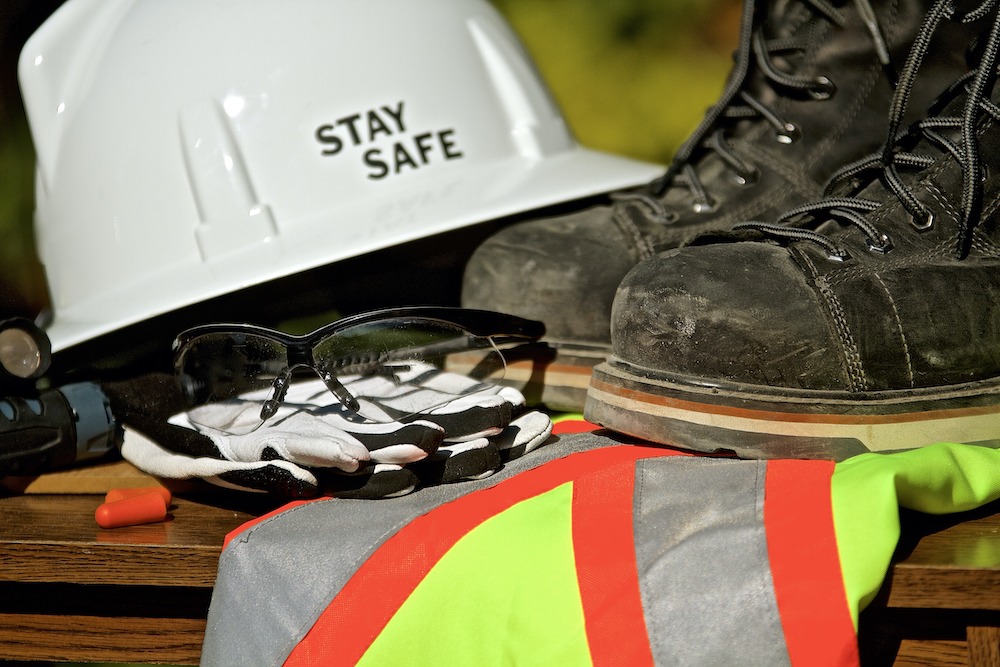
Proper PPE used while operating a saw is a known requirement on any jobsite. Zach Everett, Corporate Safety Director at Brazos Masonry, reminds us everyone should wear gloves, glasses, ear protection, and even a face shield if the job calls for it. Additionally, earmuffs or other hearing protection should be used any time a saw is in use. One of the common compliance issues on a jobsite is a lack of hearing protection when using a saw or power tool. “I think there’s a temptation out there to make a quick cut without wearing the required ear protection,” Everett explains.
In certain situations, donning the required hearing protection before using a saw can sometimes take a little extra time. This can be frustrating when you just need to use it for a short period to cut a single brick or block. However, protecting your ears and your hearing is not optional. To ensure ear protection compliance while operating saws, earmuffs are provided with the saws for operators to use before undertaking their next task. That being said, even though strict sanitization procedures are in effect, it is strongly recommended that workers do not share PPE in light of the COVID-19 pandemic. As such, Everett instead recommends every worker carries their ear protection with them at all times.
COVID-19 has certainly changed the way we operate in the world daily, including mandatory mask and face coverings and rigorous sanitization practices for handles, stations, and pieces of equipment that are used often. “You have to be even more vigilant than before with the cleanliness of your PPE and the saw itself,” Everett points out. While taking the steps to do just that, Brazos Masonry started sanitizing the tools and equipment twice a day and ensuring everyone on the jobsite is equipped with the proper PPE.
Recent Innovations to Improve Saw Safety
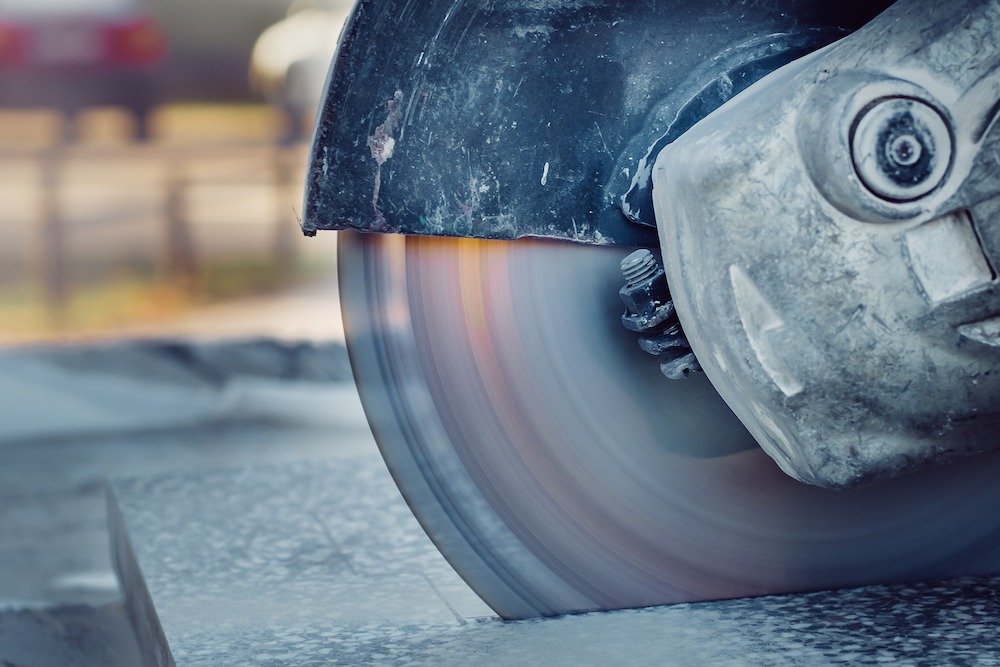
In addition to the innovations found to stay compliant with OSHA’s Respirable Crystalline Silica Rule, there are now saw blades that were made specifically to protect the ears and hearing. These suppressed or silent saw blades have been crafted specifically to be up to 30 times quieter than the traditional blade. For instance, Norton Clipper introduced an entire line of Silencio Silent Diamond Saw Blades that offers tailored blades for brick, block, grinding, and other applications in the masonry industry.
Even though there are silent saw blades available, ear protection should still be used while operating saws. While the decibels may be quieter than traditional saw blades, they are still loud enough to do serious damage to your hearing. While the saw industry continues to develop new technology to keep users safe, ultimately, the responsibility for your own health lies with the individual. As such, here are some important tips to keep in mind the next time you get ready to cut some brick, block, or stone.
Things To Keep In Mind
- Ensure laborers and masons have the proper training for the equipment that is being used.
- Use the right blade for the materials that are going to be cut.
- Check your PPE and make sure your hearing protection fits snugly and securely before you turn on the equipment.
- Sanitize your own PPE every day after your shift.
- If you are ever unsure about a safety protocol or procedure, clarify with your supervisor before proceeding.